Acne scars: What's the best treatment?
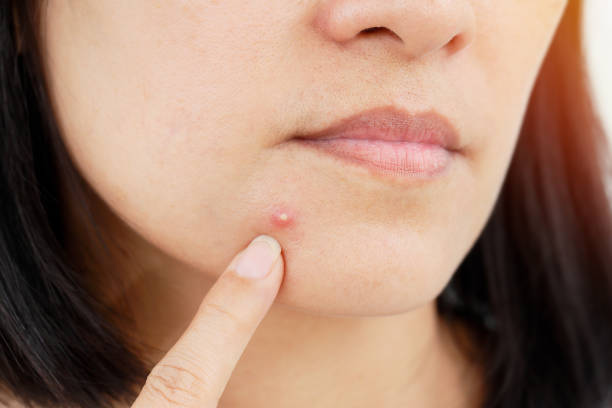
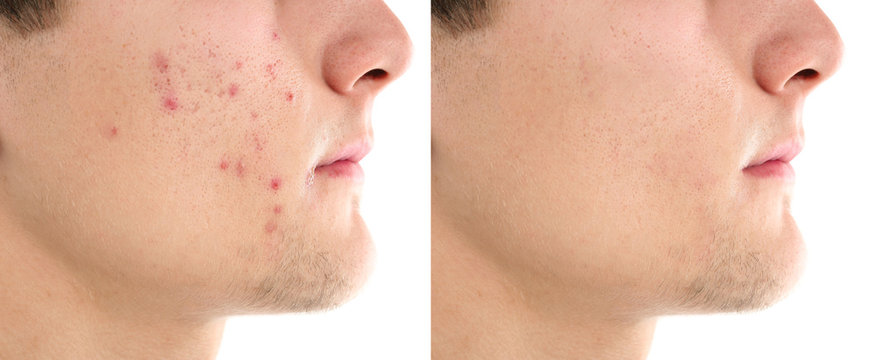
Acne scars are stubborn, and no single treatment is best for everyone. One or a combination of the following approaches might improve the appearance of your skin, depending on your scar type, your skin type and the severity of the scarring.
Home skin care. Using sunscreen can help limit the contrast between unscarred skin and a scar. Some medicated creams, such as those containing azelaic acid or hydroxyl acids, might help too.
Soft tissue fillers. Injecting collagen, fat or other substances under the skin can plump the skin over indented scars. The goal is to make the scars less noticeable. Results are temporary, so repeat treatments are needed to retain the effect. This method has little risk of changes in skin color.
Laser resurfacing. This approach is increasingly popular and is often used on scars that were once treated with dermabrasion. This technique has an increased risk of side effects for people with darker skin or a history of keloids.
Other energy-based procedures. Pulsed light sources and radiofrequency devices help make scars less noticeable without damaging the outer layer of skin. Results are subtle, and you might need repeat treatments.
Dermabrasion. This procedure is usually reserved for more severe scarring. Your doctor removes the top layer of skin with a rapidly rotating brush or other device. Surface scars may be completely removed, and deeper acne scars may appear less noticeable. Potential severe side effects include scarring and changes in skin color.
Chemical peel. Your doctor applies a chemical solution to the scar tissue to remove the top layer of skin and minimize the appearance of deeper scars. You can repeat mild and medium peels to maintain results. You can have only one deep peel. Potential side effects include changes in skin color, especially with deep peels used on dark skin.
Skin needling. Your doctor rolls a needle-studded device over the skin to stimulate collagen formation in the underlying tissue. It's a safe, simple and possibly effective technique for acne scarring. It has minimal risk of discoloring the skin. Results are subtle, and you may need repeat treatments.
Surgery. Using a minor procedure called punch excision, your doctor cuts out individual acne scars and repairs the wound with stitches or a skin graft. With a technique called subcision, your doctor inserts needles under the skin to loosen fibers below a scar.
OnabotulinumtoxinA (Botox). Sometimes the skin around acne scars puckers. Injecting Botox relaxes the surrounding skin, which may improve the appearance of an acne scar. Results are temporary, so repeat treatments are needed to retain the effect
Lawrence E. Gibson, M.D.
Get the latest health information from Mayo Clinic’s experts.
Sign up for free, and stay up to date on research advancements, health tips and current health topics, like COVID-19, plus expertise on managing health.
Enter your email
EmailLearn more about Mayo Clinic’s use of data.
Subscribe!
Pregnancy acne
Birth control pills for acne?
ShareTweet
Nov. 10, 2020
Show references
See more Expert Answers
Products and Services
Newsletter: Mayo Clinic Health Letter — Digital Edition
Book: Mayo Clinic Family Health Book, 5th Edition
Book: Mayo Clinic Book of Home Remedies
See also
Acne
Acne mistakes
Acne treatments: Medical procedures may help clear skin
Adult acne: Can natural hormone treatments help?
Birth control pills for acne?
Can zinc supplements help treat hidradenitis suppurativa?
Hidradenitis suppurativa wound care
Show more related content
Advertisement
Mayo Clinic does not endorse companies or products. Advertising revenue supports our not-for-profit mission.
Advertising & Sponsorship
PolicyOpportunitiesAd Choices
Mayo Clinic Press
Check out these best-sellers and special offers on books and newsletters from Mayo Clinic.
Try Mayo Clinic Health Letter - get FREE book
NEW - Back and Neck Health
Mayo Clinic on Digestive Health
NEW - Live Younger Longer
Simple, effective Home Remedies


Comments
Post a Comment